
Some homeowners choose to sell their house without an estate agent, relying on their own judgement and personal experience. However, without the right knowledge or professional support, it’s easy to make mistakes that delay the sale or significantly lower the final selling price.
If you’re wondering how to sell a house without an estate agent, there are several key factors you need to get right for the process to be truly successful. Knowing how to price your property accurately is essential — but it’s not the only element that determines the outcome.
In this article, we explain how to manage a private sale effectively by avoiding the most common mistakes. Here are 6 typical errors private sellers make, and what you can do to avoid them from the start.
1. Overpricing the Property to “Leave Room for Negotiation”
This is one of the most common mistakes when selling a property privately. Many owners set a high asking price, assuming they can always negotiate down later. But in practice, this strategy often works against them. Buyers today are well-informed: they compare dozens of similar listings, know the market prices by area, and can immediately tell when a property is overpriced.
Looking at online listings is not enough — many homes advertised on portals have been sitting for months or even years without selling. And relying on a neighbour’s opinion or personal belief about the home’s worth is rarely accurate.
The correct approach is to analyse real sale prices in the area and the average time it takes to sell comparable properties. That’s the only way to position your home competitively, attract interest early on, and avoid reductions later that erode buyer trust.
A realistic price doesn’t mean losing money — it means gaining time, attracting serious buyers, and having true negotiating power.
2. Valuing the Property Based on Personal Needs or Emotions
It’s very common for private sellers to price their home based on personal reasons: how much they originally paid, the cost of renovations, or what they need to afford their next move. Sometimes, expectations are influenced by what the seller wishes to receive.
This logic is understandable, but doesn’t work in a market where buyers compare and analyse everything. A home’s value isn’t determined by what the owner needs, but by what buyers are actually willing to pay for a similar home in that location, at that time.
When pricing is disconnected from market reality, the property loses visibility, sits on portals too long, and eventually requires price cuts that damage credibility.
The best solution is to base your pricing on real sales and average selling times in your area. That’s the only way to attract qualified buyers, justify your asking price, and avoid wasting time and money.

3. Poor Visual Marketing.
The first impression a property makes online can be the difference between getting a viewing or being dismissed instantly. Dark photos, messy spaces, or inappropriate details —like visible laundry or pets in the frame— create a negative perception, even if the property itself has good features.
High-quality visual presentation builds trust, sparks interest, and helps the buyer imagine the true potential of the space. This is especially important when selling to foreign buyers, who are often more cautious when the property is not listed through a recognised real estate agency.
Before publishing any listing, make sure the home is well-prepared and photographed professionally. In today’s market, where many buyers search remotely, confidence begins with what they see.
4. Writing a Bland or Generic Listing.
A common mistake when selling without an agent is writing a basic, uninspired listing — something like “Nice two-bedroom apartment in a great area…”. These types of ads fail to stand out or connect emotionally with potential buyers.
A good listing needs to go beyond square metres and features. It should evoke feelings, help the buyer imagine themselves living there, and highlight the strengths of the property with a balance of emotional tone and professional clarity.
Use a strong headline, descriptive language, and create a narrative that draws people in. A well-written ad positions, excites… and sells.
5. Not Having the Documents Ready.
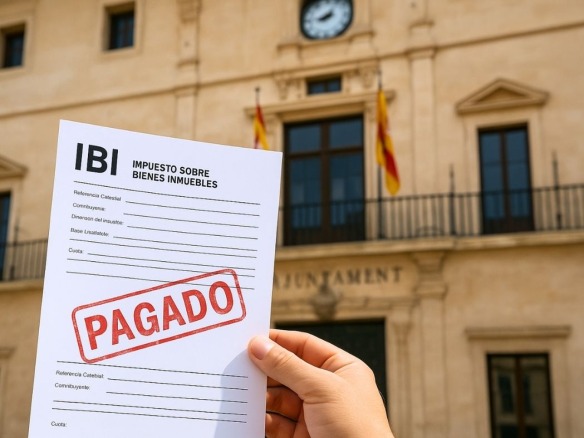
Listing a property for sale without having the required documents in order can lead to delays, distrust, and even legal issues. For example, the Energy Performance Certificate (EPC) is mandatory for listing any property in Spain. Without it, the home cannot be legally advertised.
In addition to documents required for signing at the notary —like the EPC, habitability certificate, and mortgage balance if applicable— it’s wise to prepare invoices for any renovations or upgrades. These documents help justify added value during negotiations.
Having everything ready from the start shows professionalism and builds trust, especially with international buyers, who greatly value clear, transparent processes. Review all documents before publishing, and be ready to present copies during viewings to reinforce your credibility and speed up decisions.
6. Using Standard Contracts Found Online.
One of the most critical mistakes in a private sale is using generic contracts downloaded from the internet. While they may seem convenient, they’re not tailored to your specific transaction and often lack essential clauses. Every sale has unique elements — payment schedules, special conditions, penalties, deposits, existing mortgages, inheritances… A one-size-fits-all contract can create legal gaps and fail to protect your interests in case of a dispute.
Having a personalised, professionally drafted agreement is not only safer legally, it also instils confidence in the buyer, especially if they’re coming from abroad. A proper sales agreement, written by a legal expert, ensures clarity, protects both parties, and avoids problems at the notary stage.
At Balear Living, we work with DeSalvador, a law firm specialised in real estate transactions, to ensure every deal is backed by solid contracts and legal security.
Conclusion
Selling a house without an estate agent may seem simple, but in reality, it’s a process that requires time, preparation, and legal understanding. Many homeowners start off confident, but soon face complex paperwork, time-consuming negotiations, and ongoing demands they hadn’t anticipated.
Answering enquiries quickly, managing buyers with different profiles, and especially communicating in multiple languages, are all key to a smooth sale — particularly when dealing with foreign buyers. Knowing how to draft a solid sales agreement and having all documentation ready from the beginning protects both sides and keeps the process transparent and professional.